


InfectoGnostics enters third funding phase: Eight million euros for seven new projects
6. August 2025
Nearly 8 million euros for seven new projects – this is the amount acquired by the InfectoGnostics Research Campus Jena for the next four years. This public-private partnership for innovative solutions in infection diagnostics is thus entering its third and final phase of the federal funding initiative.
Starting in October 2025, InfectoGnostics will receive funding for another four years from the Federal Ministry for Research, Technology and Space Travel (BMFTR) as part of the “Research Campus – Public-Private Partnership for Innovations” initiative. The jury particularly praised the strategic further development of the campus as well as its contribution to the clinical translation of novel diagnostic solutions.
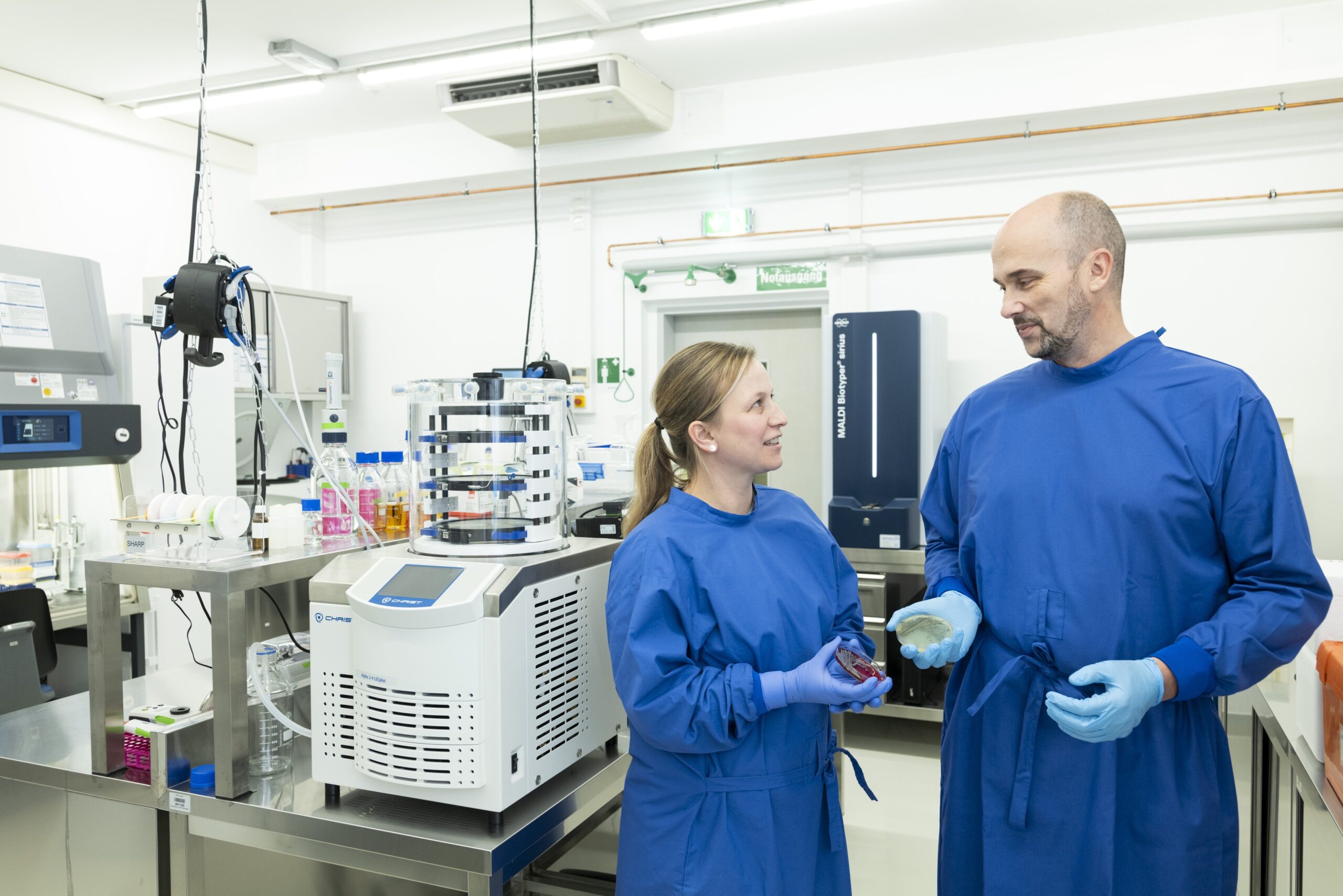
For over eleven years, InfectoGnostics in Jena has brought together strong partners from academia – such as Friedrich Schiller University – industry, and clinics under one roof and on equal footing. The common goal: to diagnose infectious diseases faster and more precisely, detect antibiotic resistance even before treatment begins, and translate innovative research findings into practical solutions.
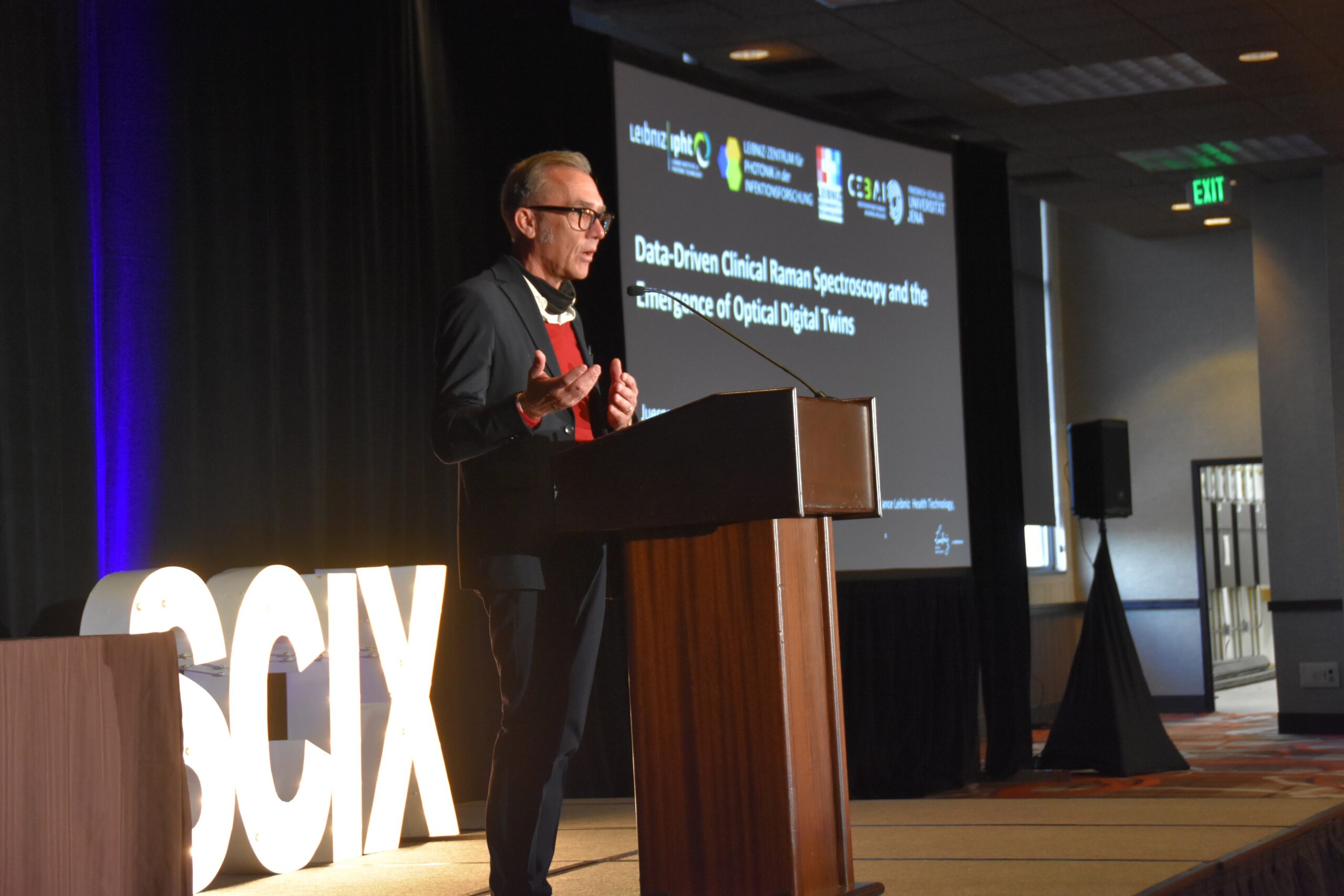
“We are delighted by the great recognition from a high-ranking panel of experts. The third funding phase gives us the opportunity to further expand our successful structures, translate novel diagnostic solutions directly into medical care, and consolidate the partnership,” says Campus Speaker Prof. Dr. Jürgen Popp. “In doing so, we make an important contribution to tackling global health challenges such as antibiotic resistance – with tangible benefits for patients and the healthcare system.”
Seven new projects for next-generation diagnostics
In the third funding phase, InfectoGnostics is launching seven new flagship projects addressing key challenges in modern infection diagnostics. Plans include molecular rapid tests for nursing facilities to enable the early detection of diarrheal pathogens, as well as quantitative point-of-care tests for determining inflammatory markers – also suitable for home use.
Other projects aim to develop novel methods for pathogen detection from cell-free DNA and a fully automated multiparameter analyzer that combines protein- and DNA-based tests on an open platform. In addition, a Raman-based system for analyzing the immune response is being researched, enabling the direct characterization of T cells in patients. Another focus is the development of automated organ-on-chip platforms: these can be used as diagnostic tools to test the effectiveness of substances against bacterial pathogens, thus supporting the development of new effective antibiotics.
All projects are designed to make diagnostic technologies applicable in concrete healthcare contexts. This is supported by an accompanying general medical transfer project, which considers regulatory, clinical, and economic implementation from the outset. In this way, InfectoGnostics strengthens its role as a pioneer for practical and socially relevant diagnostic solutions.
Second phase laid the foundation for innovation and sustainable structures
The second funding phase – running until September 2025 – has been characterized by the development of open technology platforms, the expansion of shared research infrastructures, and increasing involvement of end users and external stakeholders to translate diagnostic products into practice. Many developments from the research campus have already been tested in clinical studies or further developed into demonstrators and market-ready products – for example in the fields of digital PCR, rapid test applications, and wastewater monitoring.
About the InfectoGnostics Research Campus Jena
The InfectoGnostics Research Campus Jena is breaking new ground as a public-private partnership in point-of-care diagnostics for infections and pathogens such as viruses, bacteria, and fungi. InfectoGnostics is supported by the BMFTR within the framework of the “Research Campus – Public-Private Partnership for Innovations” funding initiative. In addition, the Free State of Thuringia funds state-wide, industry-oriented activities of the InfectoGnostics innovation cluster. About half of the required budget is financed by the participating partners.
Autor: Christian Döring / Leibniz IPHT / FSU Jena
Contact

Related News
Third party cookies & scripts
This site uses cookies. For optimal performance, smooth social media and promotional use, it is recommended that you agree to third party cookies and scripts. This may involve sharing information about your use of the third-party social media, advertising and analytics website.
For more information, see privacy policy and imprint.
Which cookies & scripts and the associated processing of your personal data do you agree with?
You can change your preferences anytime by visiting privacy policy.